
Ever cleaned out your jewelry box only to find old rings, broken chains, and mismatched earrings gathering dust? You’re not alone—and that pile could be worth hundreds, even thousands. Yet most people sell scrap gold the wrong way: rushing into shady pawn shops, accepting the first cash offer, or worse—tossing it in a drawer forever. If you’ve ever wondered selling scrap gold how to start without getting ripped off, this guide is your roadmap. We’ll walk through the exact steps professionals use, expose common traps, and share real numbers so you walk away richer and wiser.
Table of Contents
- Why Scrap Gold Actually Matters in Personal Finance
- Your Step-by-Step Guide to Selling Scrap Gold
- 5 Best Practices Most Sellers Ignore
- Real Results: What Actual Sellers Earned
- Frequently Asked Questions
Key Takeaways
- Always verify a buyer’s credentials—check BBB ratings and online reviews before handing over your gold.
- Weigh and photograph your items beforehand; it protects you if disputes arise later.
- Pure gold content (karat) matters more than jewelry style—focus on melt value, not nostalgia.
- Avoid “instant cash” ads—they often pay 30–50% below market rates.
- Get multiple quotes. A 10-minute call can boost your payout by hundreds of dollars.
Why Scrap Gold Actually Matters in Personal Finance
Gold isn’t just shiny—it’s liquid wealth. According to the U.S. Mint, over 2 million ounces of gold bullion were sold to U.S. investors in 2023 alone, reflecting its enduring value during economic uncertainty. Yet many overlook their own hidden stash: wedding bands from past relationships, inherited pieces they never wear, or electronics with trace gold content. The average household holds $300–$1,500 worth of reclaimable gold, per industry estimates from the World Gold Council.
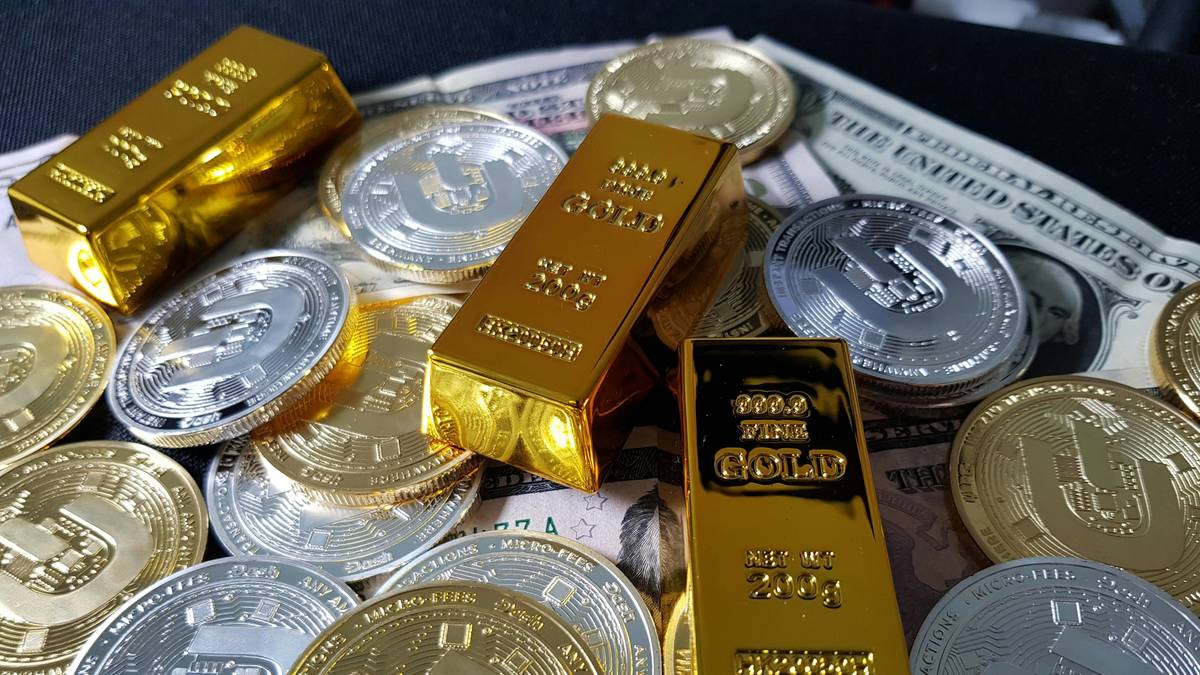
Your Step-by-Step Guide to Selling Scrap Gold
1. Gather & Sort Your Items
Collect all gold-colored items—jewelry, dental crowns, old watches, even circuit boards. Separate real gold from costume pieces using a magnet (real gold isn’t magnetic) or a home test kit (available at hardware stores).
2. Identify Karat Purity
Look for stamps like “14K,” “18K,” or “750” (European marking for 18K). No stamp? Don’t assume it’s fake—older pieces often lack markings. Note each item’s weight in grams using a precise kitchen scale.
3. Research Current Gold Prices
Check live spot prices at Kitco.com. Remember: buyers pay based on melt value, typically 70–90% of spot price depending on quantity and purity.
4. Choose Reputable Buyers
Compare local pawn shops, mail-in services, and refiners. Verify licenses via state business registries. At Small Stock News, we vet partners rigorously—learn more on our About Us page.
5. Get Multiple Offers
Submit photos and weights to 3+ buyers. Never accept the first quote. I once took $80 for a 14K chain at a mall kiosk—only to realize later it was worth $220. Lesson learned: patience pays.
6. Finalize Securely
Insure shipments if mailing. For in-person sales, meet in well-lit, public spots. Always get payment in certified check or instant bank transfer—not “store credit.”
5 Best Practices Most Sellers Ignore
- Never clean your gold before selling. Acid cleaning can damage surface layers, reducing weight and value.
- Bundle small items. Loose earring backs or tiny charms weigh more together—scales read accurately above 1 gram.
- Avoid weekend or holiday sales. Buyers often lower offers when markets are closed and liquidity is tight.
- Track every step. Keep a log of weights, photos, and quotes. Our Privacy Policy ensures your data stays safe if you share details with us.
- Beware the “terrible tip”: “Just sell everything to one buyer for convenience.” Convenience costs money—always compare.
Real Results: What Actual Sellers Earned
Last year, a reader named Maria from Ohio gathered 87 grams of mixed-karat scrap—mostly broken necklaces and class rings. After following our process, she received quotes ranging from $2,400 (local pawn shop) to $3,150 (online refiner). She chose the latter, netting $2,980 after fees. That’s enough to cover her car insurance for a year! Her secret? She called three buyers and mentioned competing offers—triggering a bidding nudge upward.
Frequently Asked Questions
How much can I expect to get for scrap gold?
Payouts vary by purity and market rates, but reputable buyers typically offer 70–90% of melt value. Always ask for a breakdown by karat and weight.
Is it safe to mail scrap gold?
Yes—if you use tracked, insured shipping and choose a buyer with transparent policies. Avoid unverified “cash for gold” websites with no physical address.
Do I need to pay taxes on scrap gold sales?
Generally, yes—if sold for profit over your original cost basis. Consult IRS Publication 544 for capital gains rules on collectibles like gold.
Can I sell gold-plated items as scrap?
No. Gold-plated or gold-filled items contain negligible real gold and are usually rejected or paid pennies per pound. Focus on solid karat items.
What’s the fastest way to start selling scrap gold?
Start today: gather items, weigh them, check spot prices, and request quotes from two trusted buyers. That’s the core of selling scrap gold how to start right.
Where can I learn more about responsible sellers?
We’ve compiled vetted resources on our site—and we’re always here to help. Reach out anytime via our Contact Us page.
Selling scrap gold isn’t about luck—it’s about leverage. Do your homework, demand fair value, and turn forgotten trinkets into real financial breathing room. Gold doesn’t tarnish, but bad deals do. Choose wisely.
One ounce of patience beats a pound of impulse.